Нескончаемые наборы для ремейков убивают рынок ретро-игр?
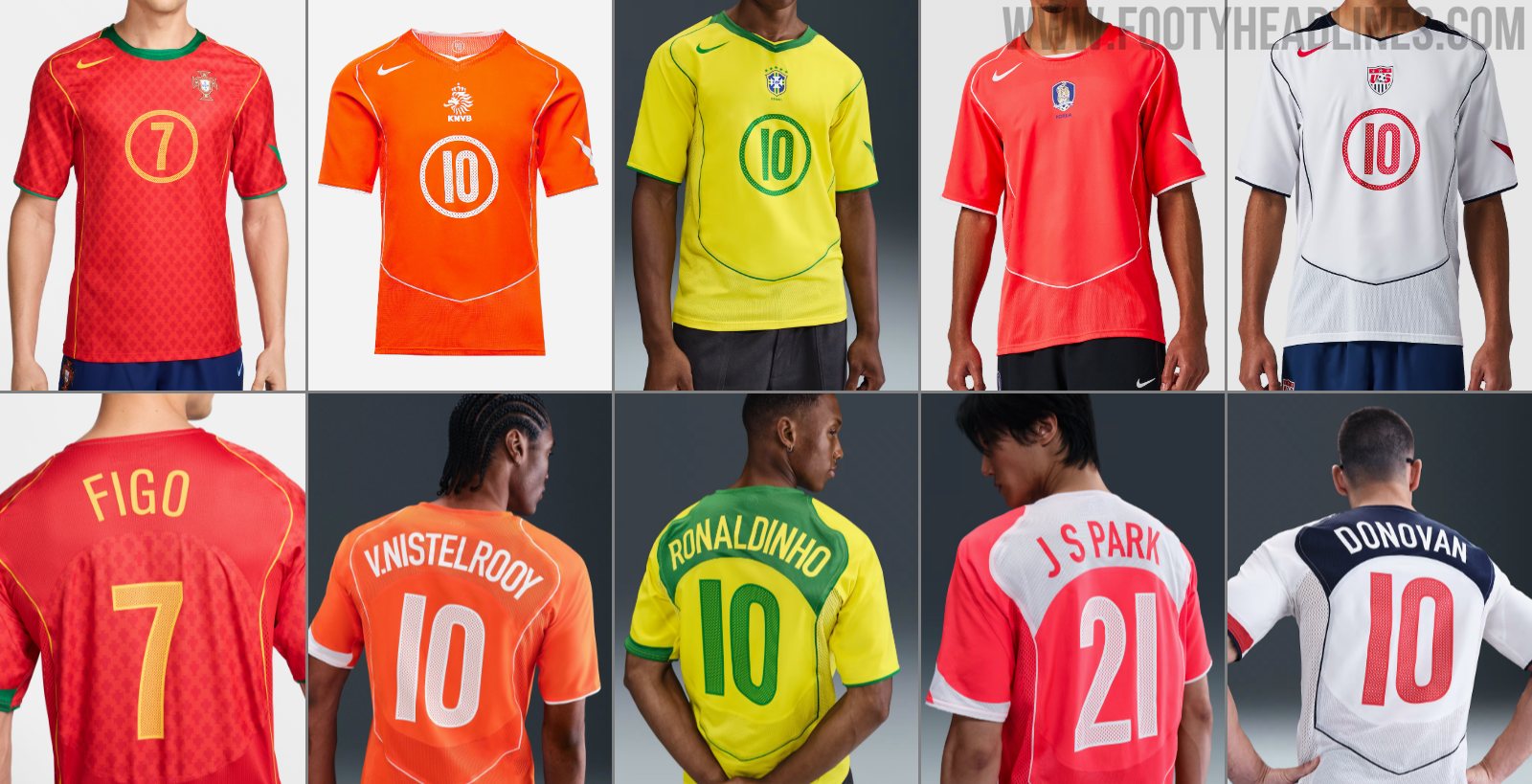
Walk into any sports shop and you'll likely find a rack of "retro" shirts sitting alongside the latest releases. Adidas has been and will be particularly aggressive, bringing back several different Arsenal and Manchester United remake kits, plus a dozen national team kits and remake for Liverpool. Nike has followed suit with Netherlands, South Korea, and PSG remakes. These official remakes arrive with more and more frequency, and 2026 will set a new record. Thanks to Footy Headlines for the images in this article.
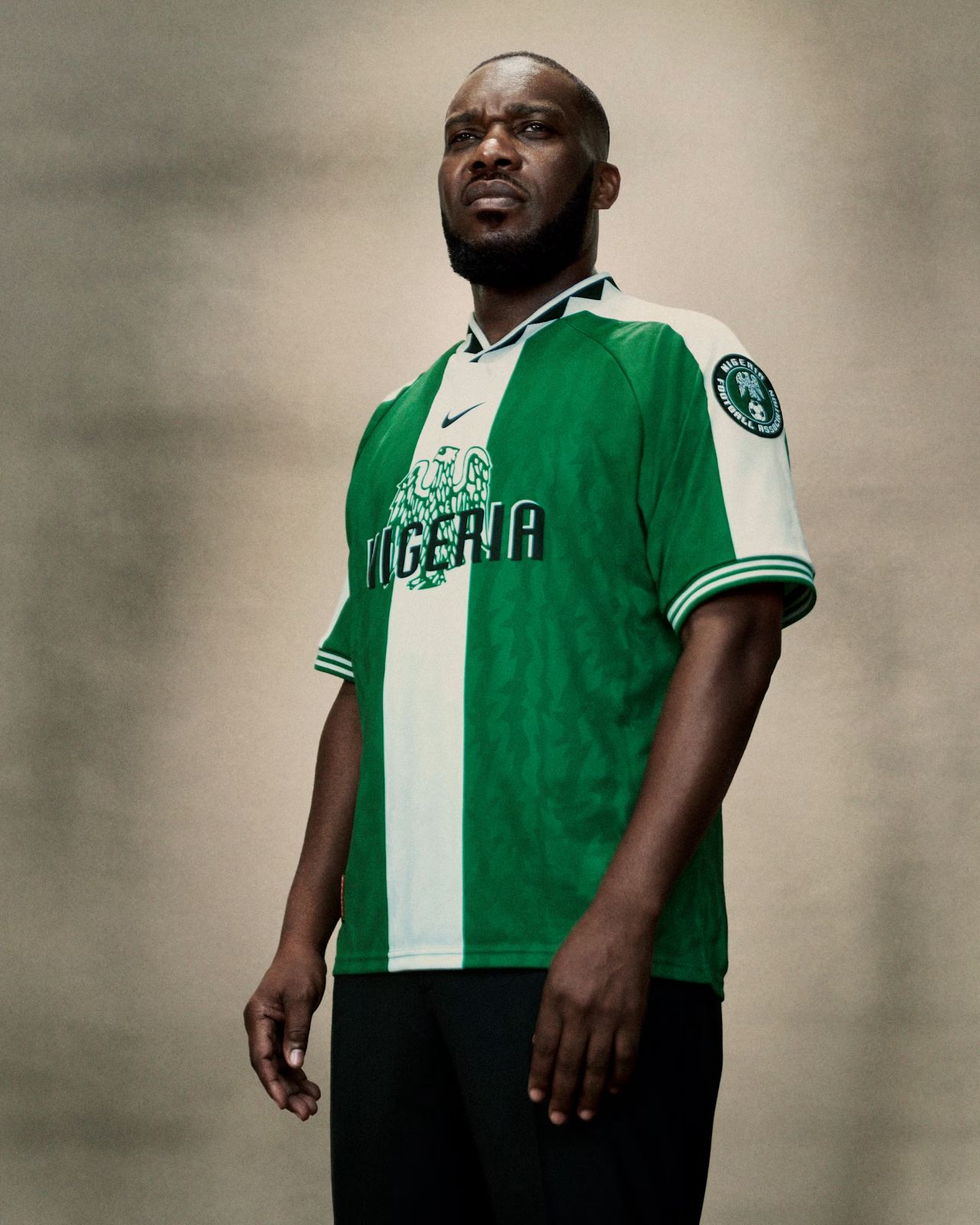
The question dividing collectors is whether this flood of official reissues is democratizing access to beloved designs or devaluing the originals that people have spent years hunting down.
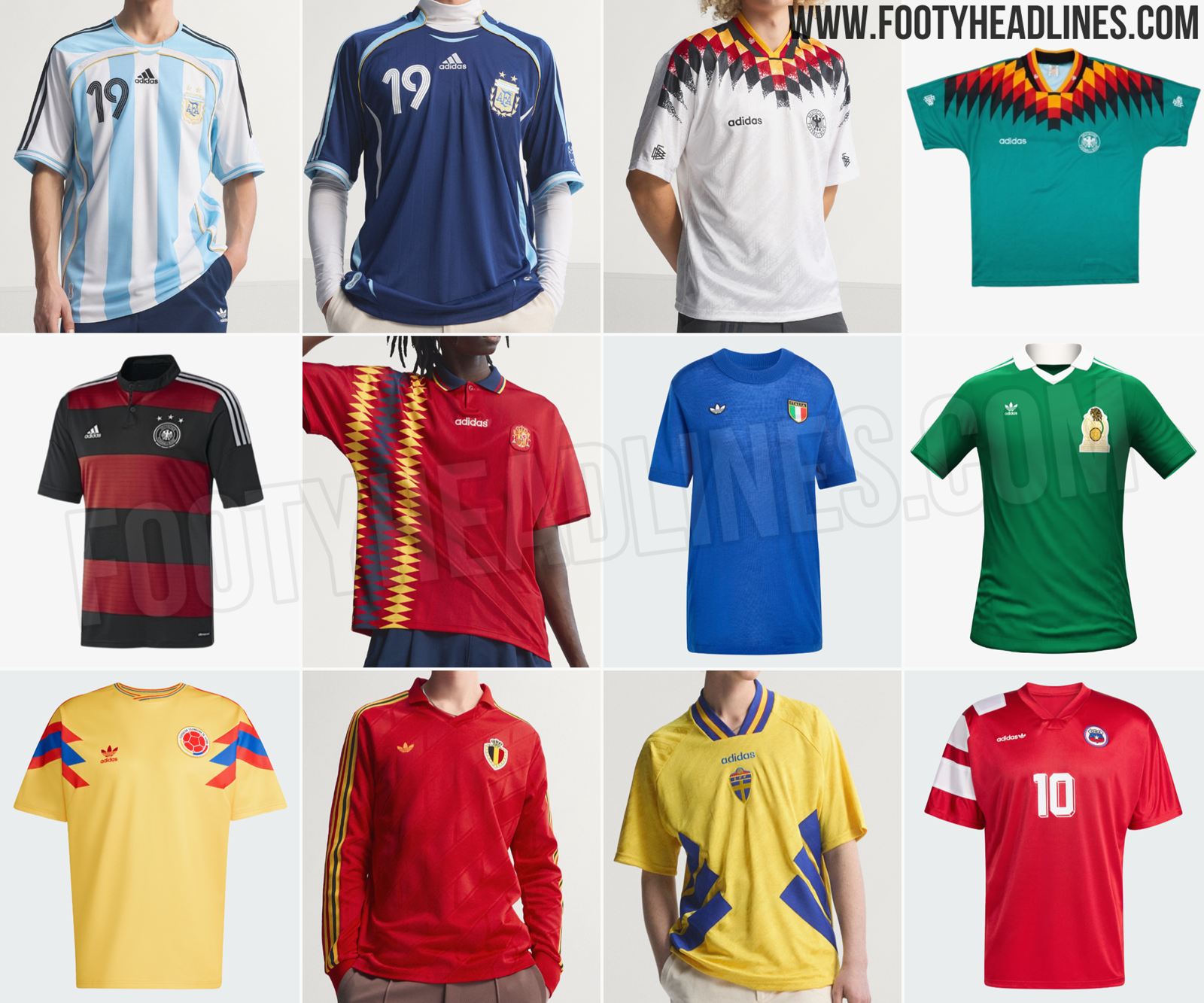
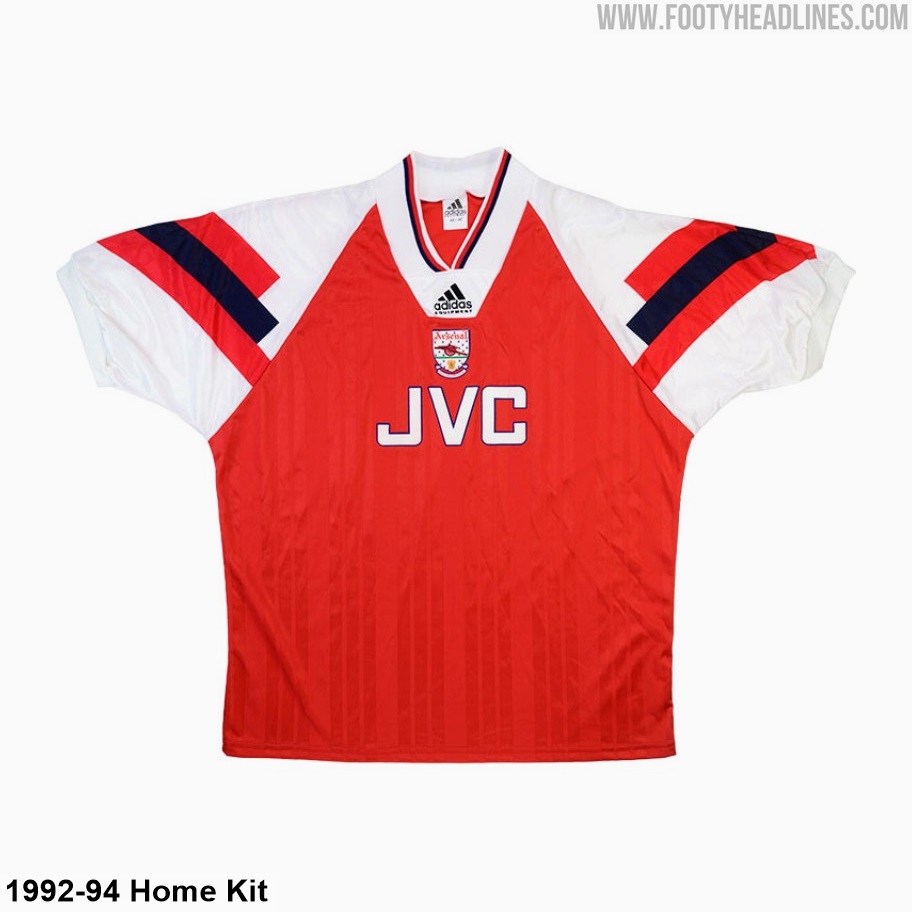
For the casual fan, the answer seems straightforward: remakes are brilliant. Arsenal's 1990s shirts, Nike's Total 90 national team kits, and classic national team kits are suddenly available without trawling through eBay listings or risking counterfeit purchases. More people can wear designs they love without the anxiety of spilling beer on a piece of football history worth hundreds of pounds.
From a collector's perspective, the situation is more complicated. Remakes don't hold value - they rarely sell for more than retail price on the secondary market and never appreciate over time. A retro shirt might sell out and generate hype, but restocks are common. The thrill of the hunt, which drives much of the collecting community, diminishes when manufacturers simply print fresh versions of historically scarce designs.
Yet the impact on original shirt values remains unclear. On platforms such as Classic Football Shirts, the market's largest retailer, prices for genuine vintage shirts are higher than ever before. A jersey that cost £75 ten years ago now fetches £200-300 or more. Whether remakes are accelerating or slowing this trend is difficult to determine.
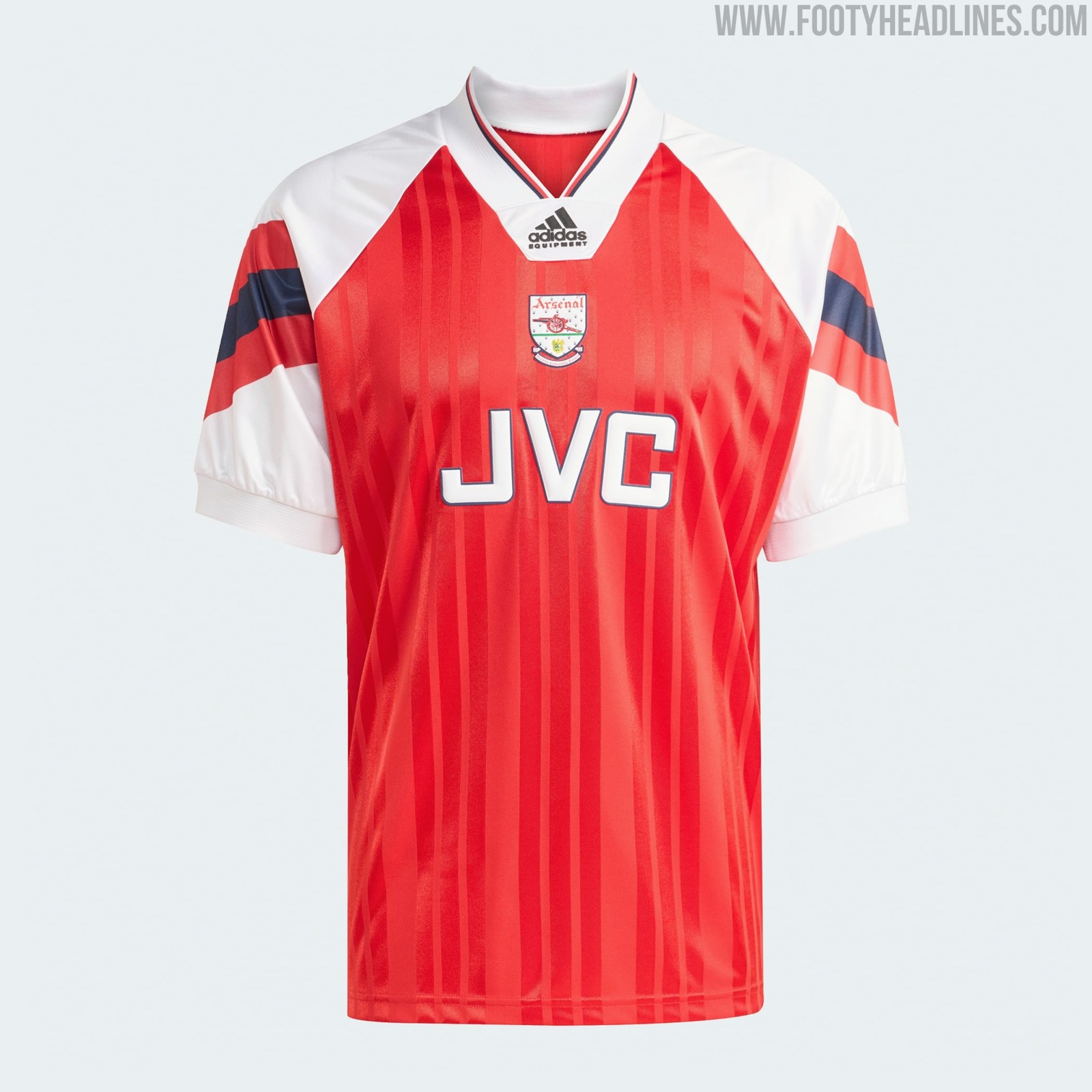
For collectors committed to owning specific original shirts, remakes don't fundamentally change the mission. A 1987-88 Napoli replica shirt from Mars sponsor days remains historically significant regardless of how many reproductions exist. The original carries provenance - the aging fabric, the era-specific tags, the knowledge that it's from that actual period. Remakes can't replicate that intangible quality, much as a reprint of a rare book doesn't diminish the value of a first edition.
Nevertheless, for me, as a collector, when leaks appear that a kit you own could be re-released, it is strange news. On the one hand, you are proud to own one of the kits that is remade, but on the other hand, that exactly same shirt will now be much more common. A rare piece you owned just lost some of its amazingness.